5 Red Flags to Avoid When Hiring a Fence Contractor in Southwest Florida
Fence quotes can look nearly identical during the estimate process. These red flags help homeowners spot issues that can affect how a fence performs months later.
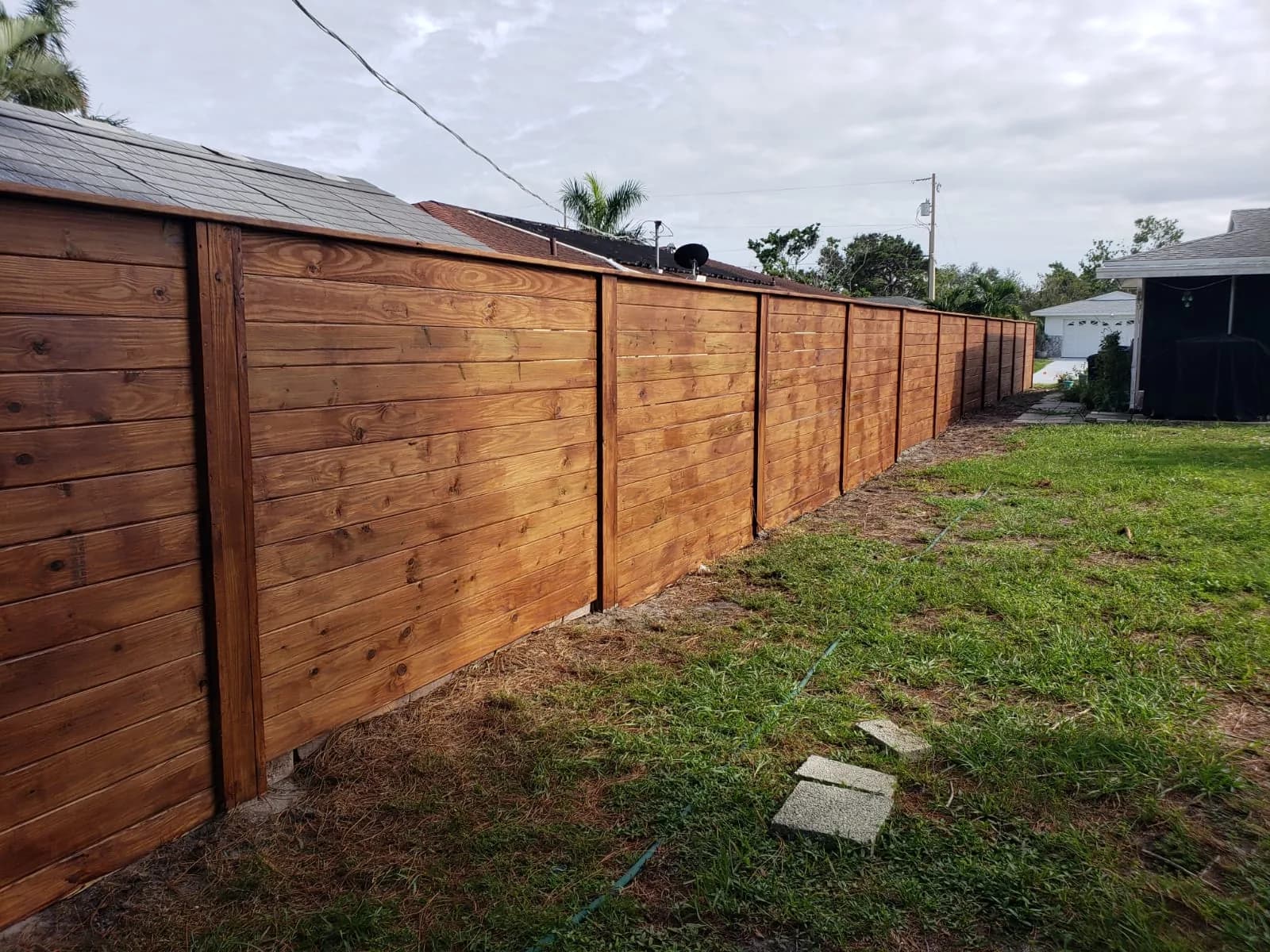
Most fence projects in Southwest Florida start with a few quotes that look fairly similar. The details that actually affect how a fence holds up in heat, humidity, and storms usually don't show up during the estimate.
At that stage, everything looks comparable. The layout is clean, the price seems reasonable, and there's not much separating one proposal from another.
It's not until later, sometimes months after installation, that differences in materials or installation begin to show. By then, the fence is already in place, and fixing it becomes a separate project.
These are some of the early signs that tend to get overlooked.
1. The Price Is Significantly Lower Than Other Quotes
When one estimate comes in noticeably lower than the rest, there is usually something behind it.
Sometimes it's the materials being used. Other times it comes down to how the job is being installed.
At installation, the fence can look the same as everything else. The differences usually don't show up right away.
Over time, you may start to notice sections that don't sit quite right, slight movement in the line, or areas that fade faster than expected, especially after a full rainy season.
2. Materials Are Not Clearly Defined
If a quote focuses on the style of fence but doesn't clearly outline the product itself, there's a lot being left open.
Two fences can look nearly identical on day one and perform very differently over time. In this area, coating quality, material thickness, and how the product is manufactured all matter more than most homeowners expect.
At True Fence, we usually walk through the materials and manufacturers so there's no guesswork about what's actually being installed.
3. The Installation Process Isn't Really Discussed
Most of the conversation tends to center around how the fence will look once it's finished.
Less time is spent on how it's actually going into the ground.
That part of the project is where a lot of long-term issues start. Post depth, spacing, and how the concrete is set all affect how the fence holds up here, especially with heavy rain and shifting soil.
When that side of the project isn't clearly explained, it's usually a sign the details aren't the focus.
4. Warranty Information Feels Unclear
Warranties are often mentioned, but not always explained in a way that makes them easy to follow.
There is usually a difference between manufacturer coverage on materials and workmanship coverage from the contractor. If that isn't clearly outlined upfront, it can be difficult to sort out later if something needs attention.
We generally walk through both so homeowners know exactly what is covered and who to contact if anything comes up.
5. Communication Feels Inconsistent Early On
The way a contractor communicates early on tends to carry through the rest of the project.
If it's difficult to get clear answers, timelines feel loose, or responses are delayed, that usually doesn't change once the job starts. It can make scheduling feel uncertain or leave homeowners guessing about what's happening next.
Clear communication doesn't guarantee everything goes perfectly, but it does make the process easier to follow.
What These Red Flags Usually Turn Into
None of these issues usually stand out right away. The fence goes in, everything looks finished, and the project feels complete.
Over time, differences in materials and installation start to become more noticeable. In Southwest Florida, the climate tends to bring those differences out faster than expected.
Next Step
If you're comparing fence contractors, it helps to look a little deeper into how each project is being approached. Asking about materials, installation methods, and warranty coverage upfront can make a noticeable difference later.
At True Fence, we walk through those details early so expectations are clear before the project begins.